Crear
Descargar
Obtener Plan Académico
Compartir juego
Mapa Interactivo
Mapa Interactivo

Age of Exploration

Intégralo en tu plataforma

Puedes integrar el juego en un LMS compatible con LTI 1.1 o LTI 1.3 como Canvas, Moodle, o Blackboard. De esta manera podrás guardar las puntuaciones automáticamente en el libro de calificaciones de esa plataforma.
Descargar
Has superado el número máximo de juegos que puedes integrar en Google Classroom con tu Plan actual.

Para integrar tantos juegos como quieras en Google Classroom, necesitas un Plan Académico o un Plan Comercial.

Has superado el número máximo de juegos que puedes integrar en Microsoft Teams con tu Plan actual.

Para integrar tantos juegos como quieras en Microsoft Teams, necesitas un Plan Académico o un Plan Comercial.

La descarga de juegos es una característica exclusiva para usuarios con un Plan Académico o un Plan Comercial.

Obtén ahora tu Plan Académico o Comercial y comienza a integrar tus juegos en tu LMS, web o blog.

Si lo deseas, puedes descargar un juego de prueba aquí y probar su integración:

Age of Exploration

Mapa Interactivo

Jugadas 29

Sobre esta actividad

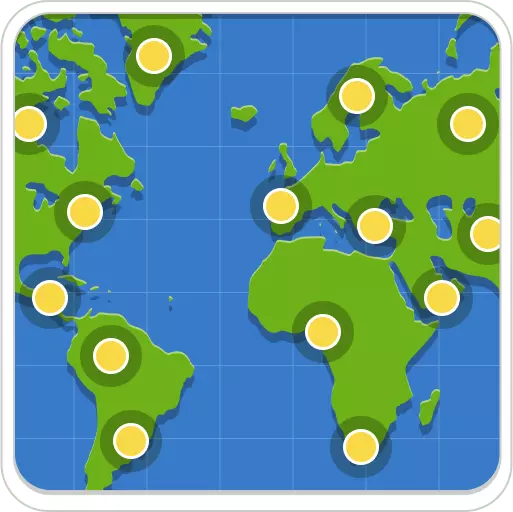
Age of exploration, locations Cape of Good Hope Hispaniola Tenochtitlan/Mexico City Potosi Brazil Quebec Jamestown Angola Beijing Guangzhou Edo/Tokyo Nagasaki

Creada por

Estados Unidos

Descarga la versión para jugar en papel

Crea tu propio juego gratis desde nuestro creador de juegos
Compite contra tus amigos para ver quien consigue la mejor puntuación en esta actividad

Top juegos

%
Anónimo
Anónimo
%
%
%
Has superado el número máximo de juegos que puedes imprimir con tu Plan actual.

Para imprimir tantos juegos como quieras, necesitas un Plan Académico o un Plan Comercial.

Imprime tu juego
Age of Exploration
 

Age of ExplorationVersión en línea

Age of exploration, locations Cape of Good Hope Hispaniola Tenochtitlan/Mexico City Potosi Brazil Quebec Jamestown Angola Beijing Guangzhou Edo/Tokyo Nagasaki

por Chase Campbell
1 Brazil 2 Cape of Good Hope 3 Hispaniola 4 Tenochtitlan 5 Potosi 6 Quebec 7 Jamestown 8 Angola 9 Beijing 10 Guangzhou 11 Edo/Tokyo 12 Nagasaki

Explanation

-Colonized by Portugal after 1500 (Pedro Álvares Cabral). -Major producer of sugarcane, later coffee — reliant on enslaved African labor. -Only Portuguese-speaking colony in South America.

-Strategic stop for ships traveling between Europe and Asia during the Age of Exploration. -First rounded by Bartolomeu Dias (1488); later used by Vasco da Gama en route to India. -Dutch East India Company established a resupply station at Cape Town in 1652.

Site of Columbus’s first permanent European colony (1493). Early center of Spanish colonization and the encomienda system. Native Taíno population decimated by disease and forced labor. Modern-day Haiti and the Dominican Republic share the island.

-Capital of the Aztec Empire, built on Lake Texcoco. -Conquered by Hernán Cortés in 1521; rebuilt as Mexico City, capital of New Spain. -Example of advanced Mesoamerican engineering (chinampas, causeways, temples).

One of the richest silver mining centers in the Spanish Empire (founded 1545). Supplied much of Europe and Asia with silver, fueling global trade. Massive Indigenous labor under the mita system.

Founded by Samuel de Champlain in 1608 as the center of New France. Important fur trading hub and French cultural stronghold in North America. Site of French and British rivalry during colonial wars.

-Founded in 1607; first permanent English settlement in North America. -Early struggles with starvation; tobacco later made it profitable. -Example of English colonization and beginnings of representative government (House of Burgesses).

-Portuguese colony and major source of enslaved Africans sent to Brazil. -Key part of the Atlantic slave trade network. -Example of early European colonization in sub-Saharan Africa.

-Capital of the Ming and Qing dynasties. -Center of imperial bureaucracy and trade regulation. -Home of the Forbidden City and key to interactions with European merchants.

-Only Chinese port open to foreign trade under the Canton System (before Opium Wars). -Hub for European merchants, especially the British. -Important in the early global silver and tea trade.

-Capital during the Tokugawa Shogunate (1603–1868). -Center of isolationist (sakoku) Japan — limited foreign contact. -Became Tokyo after the Meiji Restoration (1868), symbolizing modernization.

-One of the few Japanese ports open to limited European (mainly Dutch) trade during isolation. -Major missionary site before Christianity was banned. -Example of selective contact with the outside world in Tokugawa Japan.

¿Estás seguro que quieres abandonar la página?

Al abandonar la página perderás el progreso del juego.