Crear
Descargar
Obtener Plan Académico
Compartir juego
Intégralo en tu plataforma

Puedes integrar el juego en un LMS compatible con LTI 1.1 o LTI 1.3 como Canvas, Moodle, o Blackboard. De esta manera podrás guardar las puntuaciones automáticamente en el libro de calificaciones de esa plataforma.
Descargar
Has superado el número máximo de juegos que puedes integrar en Google Classroom con tu Plan actual.

Para integrar tantos juegos como quieras en Google Classroom, necesitas un Plan Académico o un Plan Comercial.

Has superado el número máximo de juegos que puedes integrar en Microsoft Teams con tu Plan actual.

Para integrar tantos juegos como quieras en Microsoft Teams, necesitas un Plan Académico o un Plan Comercial.

La descarga de juegos es una característica exclusiva para usuarios con un Plan Académico o un Plan Comercial.

Obtén ahora tu Plan Académico o Comercial y comienza a integrar tus juegos en tu LMS, web o blog.

Si lo deseas, puedes descargar un juego de prueba aquí y probar su integración:

Customer Service, around the globe.

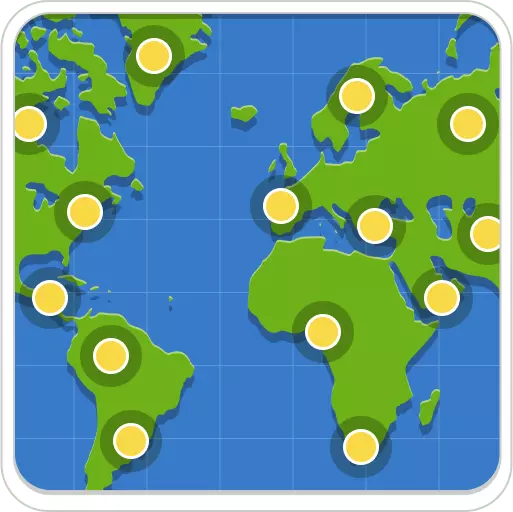
Mapa Interactivo

Jugadas 3

Sobre esta actividad

Can you match the description to the country?

Creada por

Reino Unido

Descarga la versión para jugar en papel

Crea tu propio juego gratis desde nuestro creador de juegos
Compite contra tus amigos para ver quien consigue la mejor puntuación en esta actividad

Top juegos

%
Anónimo
Anónimo
%
%
%
Has superado el número máximo de juegos que puedes imprimir con tu Plan actual.

Para imprimir tantos juegos como quieras, necesitas un Plan Académico o un Plan Comercial.

Imprime tu juego
Customer Service, around the globe.
 

Customer Service, around the globe.Versión en línea

Can you match the description to the country?

por Joe
1 Point 1 2 Point 2 3 Point 3 4 Point 4 5 Point 5 6 Point 6 7 Point 7 8 Point 8 9 Point 9

Explanation

In Japan, customer service is based on ‘Omotenash'. It means focusing on details, anticipating needs and being hospitable without expecting anything in return. It manifests in politeness and promptness.

In France, the customer is not always right. Servers are on an equal footing with the customer, unlike in other nations. There is a greater burden on customers in France to take pains to be a good customer. For example, you must greet everyone you encounter in service with “bonjour”, before asking for what you want. It’s also expected that you at least attempt to speak in French, despite the fact that servers most likely understand English. Treat the individual serving you with respect and dignity. It seems that the experience might be quite different in the luxury industries, though, where they know how to treat customers well.

In the Netherlands and Germany, a big part of the customers appreciates having real conversations in a polite and friendly manner. Therefore, they would rather talk with someone on the phone than through online channels.

The American customer service experience typically values efficiency and problem-solving, and encourages open communication between customer and service provider. A satisfied American customer is one who has had their issue promptly resolved and received a ‘customer is always right’ treatment.

Canadians are known the world over for being extremely “nice”. One bank in Canada thanked its customers with an “Automated Thanking Machine”, dispensing gifts ranging from a group of family passes to Disneyland, throwing the first pitch at a Blue Jays game, to a plane ticket to Trinidad for one woman to visit her sick daughter.

the British are known the world over for being politely but firmly reserved. being available in a timely manner to help a customer is more important than actually offering to help in the first place.

Batho Pele, meaning "People First," is a set of principles aimed at transforming public service delivery in South Africa. The eight Batho Pele principles serve as guidelines for public servants to improve service delivery, ensuring that services are convenient, easy, and fast for citizens. These principles include: Consultation: Engaging with citizens to understand their needs. Service Standards: Setting and maintaining service delivery standards. Access: Ensuring that all citizens have access to services. Courtesy: Treating citizens with respect and dignity. Information: Providing accurate and timely information about services. Openness and Transparency: Being open about service delivery processes. Redress: Offering solutions when services do not meet standards. Value for Money: Ensuring efficient use of resources in service delivery.

¿Estás seguro que quieres abandonar la página?

Al abandonar la página perderás el progreso del juego.