Crear
Descargar
Obtener Plan Académico
Compartir juego
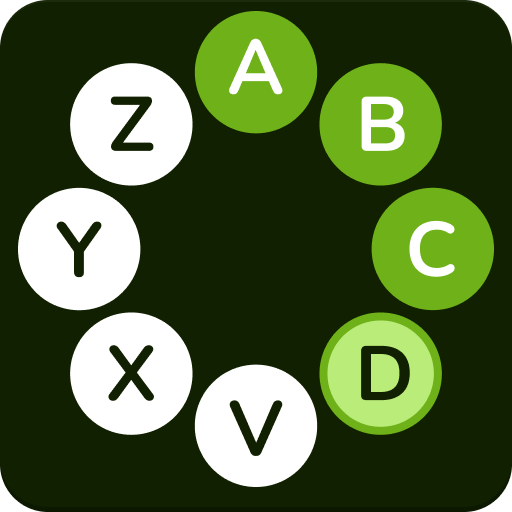
Ruleta de Palabras
Ruleta de Palabras

Literary Revision + New Terms!

Intégralo en tu plataforma

Puedes integrar el juego en un LMS compatible con LTI 1.1 o LTI 1.3 como Canvas, Moodle, o Blackboard. De esta manera podrás guardar las puntuaciones automáticamente en el libro de calificaciones de esa plataforma.
Descargar
Has superado el número máximo de juegos que puedes integrar en Google Classroom con tu Plan actual.

Para integrar tantos juegos como quieras en Google Classroom, necesitas un Plan Académico o un Plan Comercial.

Has superado el número máximo de juegos que puedes integrar en Microsoft Teams con tu Plan actual.

Para integrar tantos juegos como quieras en Microsoft Teams, necesitas un Plan Académico o un Plan Comercial.

La descarga de juegos es una característica exclusiva para usuarios con un Plan Académico o un Plan Comercial.

Obtén ahora tu Plan Académico o Comercial y comienza a integrar tus juegos en tu LMS, web o blog.

Si lo deseas, puedes descargar un juego de prueba aquí y probar su integración:

Literary Revision + New Terms!

Ruleta de Palabras

Jugadas 2

Sobre esta actividad

What can you remember? What is new?

Creada por

Argentina

Descarga la versión para jugar en papel

Crea tu propio juego gratis desde nuestro creador de juegos
Compite contra tus amigos para ver quien consigue la mejor puntuación en esta actividad

Top juegos

%
Anónimo
Anónimo
%
%
%
Has superado el número máximo de juegos que puedes imprimir con tu Plan actual.

Para imprimir tantos juegos como quieras, necesitas un Plan Académico o un Plan Comercial.

Imprime tu juego
Literary Revision + New Terms!
 

Literary Revision + New Terms!Versión en línea

What can you remember? What is new?

por Zoe Mesch
A
A
B
C
D
E
F
G
H
I
J
K
L
M
N
O
O
P
P
Q
Q
R
R
R
S
S
T
T
U
V
W
Z

Starts with A

Repetition of initial consonant sounds in nearby words.

Starts with A

the repetition of a word or phrase at the beginning of lines

Starts with B

A narrative poem with a song-like rhythm and simple rhyme.

Starts with C

Repetition of matching consonant sounds in stressed endings.

Starts with D

A situation where the audience knows more than a character.

Starts with E

Opening part of a narrative that introduces setting and characters.

Starts with F

Hints or clues provided by the author that suggest future events in the plot.

Starts with G

Category or type of literature.

Starts with H

Deliberate exaggeration for emphasis or comic/ironic effect.

Starts with I

Descriptive and vivid language appealing to the senses (visual, auditory, olfactory, tactile, gustatory).

Starts with J

Placing two contrasting ideas, characters, or objects close together to highlight their differences.

Starts with K

Imagery related to movement or the sense of bodily motion.

Starts with L

A short poem expressing strong personal feelings, emotional or ideas.

Starts with M

A figure of speech comparing two unlike things without using like or as.

Starts with N

Voice or persona telling the story and guiding the reader’s perspective. (First person, Third person omniscient, etc.).

Starts with O

A word that imitates the sound it represents.

Starts with O

A figure of speech in which contradictory terms appear side by side (e.g., "bitter sweet," "deafening silence").

Starts with P

Giving human qualities or characteristics to inanimate objects or abstract ideas.

Starts with P

Sequence of events in a narrative, including conflict and resolution.

Starts with Q

A line or passage from a text used to support analysis.

Starts with Q

A stanza containing 4 lines.

Starts with R

Pattern of end rhymes in a poem, labeled alphabetically.

Starts with R

A question asked for effect or to make a point rather than to get an answer.

Starts with R

Using the same words, phrases, sounds, or grammatical structures multiple times to emphasize key ideas, create rhythm, enhance mood, or make text more memorable

Starts with S

A comparison using like or as to connect two ideas.

Starts with S

The repetition of soft "s" or "sh" sounds.

Starts with T

The central idea, topic, or message explored throughout a text.

Starts with T

The author’s attitude toward the subject matter or the audience (e.g., sarcastic, solemn, joyful).

Starts with U

A narrator whose credibility is compromised or biased.

Starts with V

Distinctive style or perspective of the speaker or narrator.

Starts with W

The underlying reason why the author wrote the text (e.g.: to persuade, to entertain, to criticize).

Starts with Z

Attributing animal characteristics to non‑animal entities.

¿Estás seguro que quieres abandonar la página?

Al abandonar la página perderás el progreso del juego.