
Body Systems MasteryVersión en línea
por Nancy
Slide 1: Overview
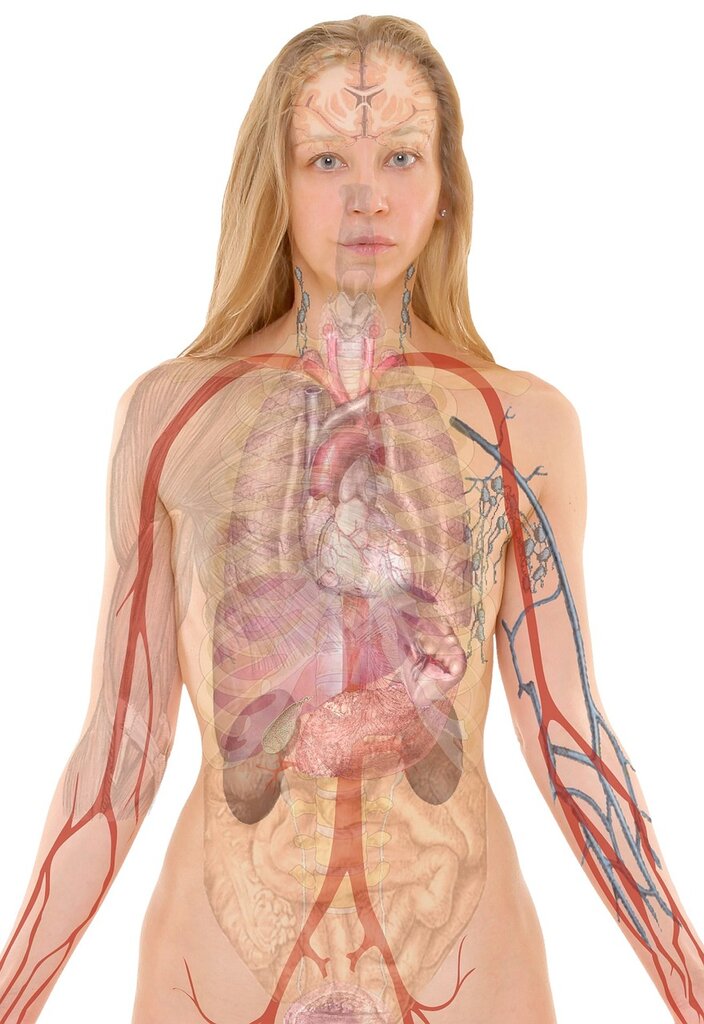
The human body comprises cells, tissues, and organs organized into interacting systems. Understanding their integration is essential for grasping function, regulation, and health in depth.
Slide 2: Cells and Tissues
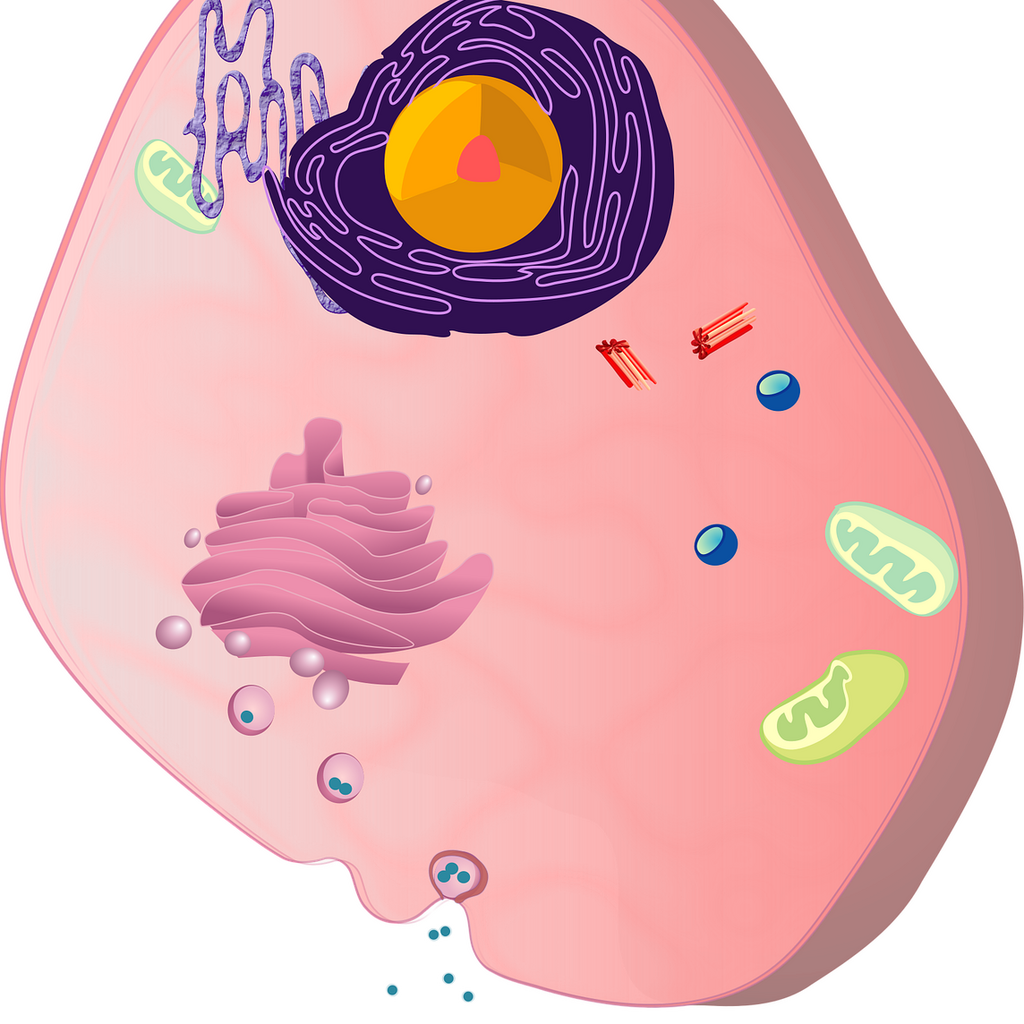
Cells are the fundamental units, differentiating into epithelial, connective, muscle, and nervous tissues. Explore organelle roles, signaling, and adaptation.
Slide 3: Homeostasis
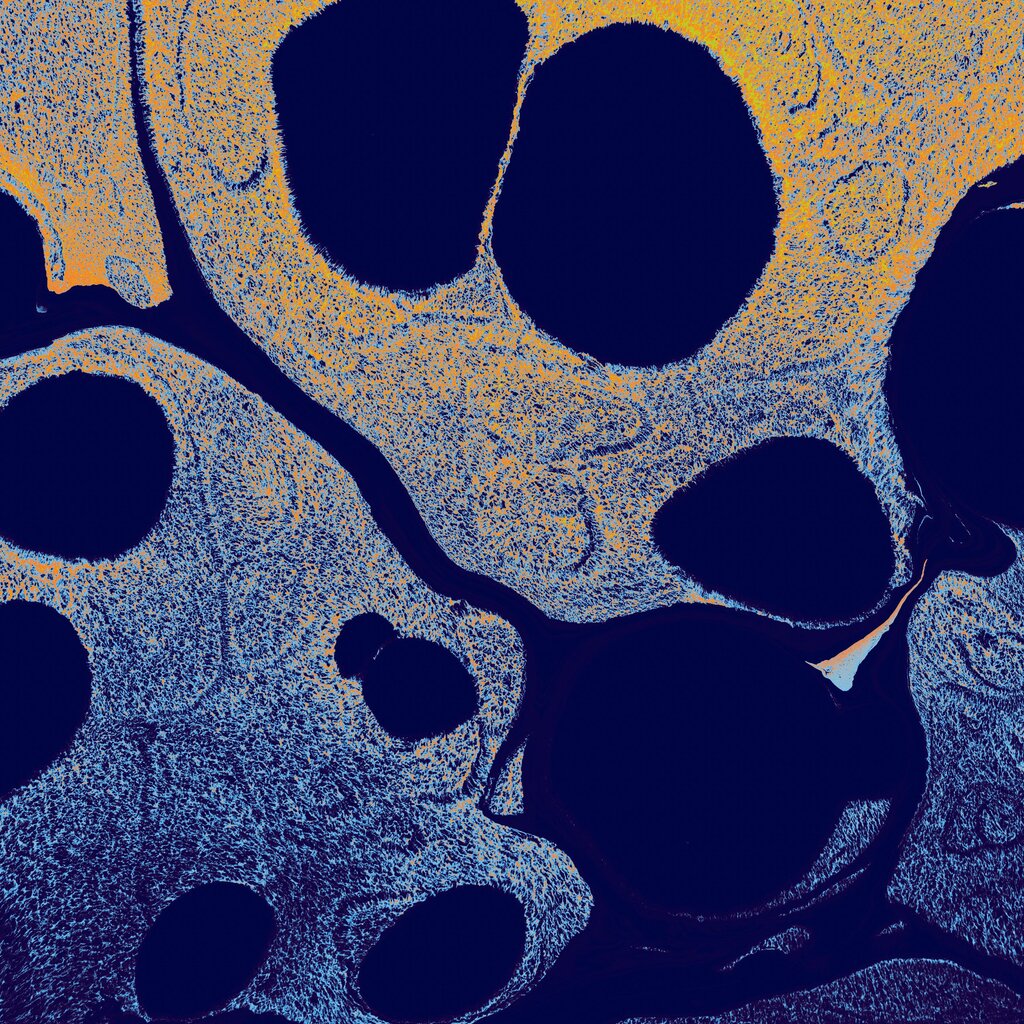
Homeostasis maintains internal stability via feedback loops and control centers. Consider temperature, pH, and glucose balance as core regulatory themes in physiology.
Slide 4: Cellular Metabolism
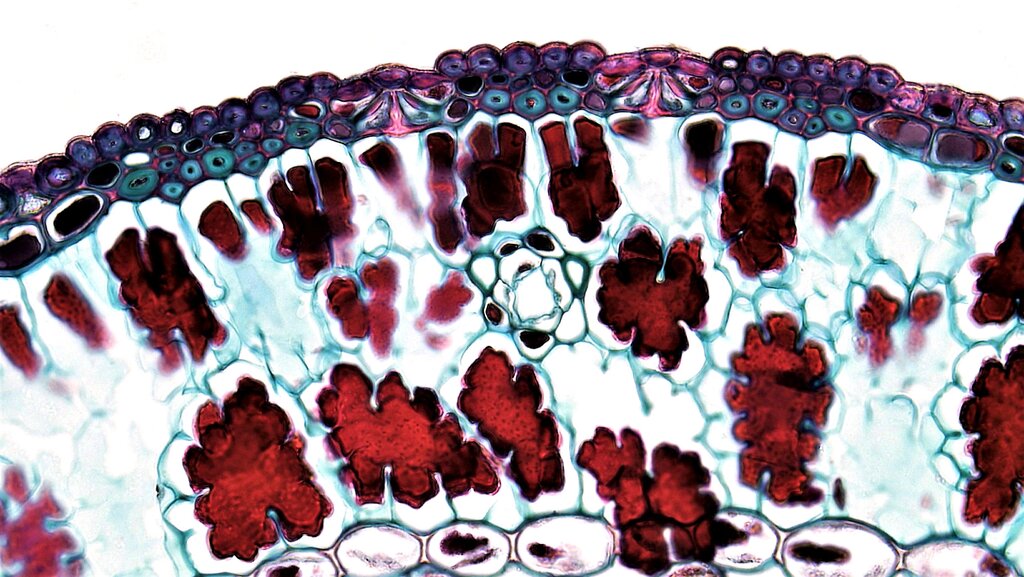
Metabolism includes catabolism and Anabolism, producing ATP through glycolysis, the Krebs cycle, and oxidative phosphorylation for cellular work.
Slide 5: Nervous System
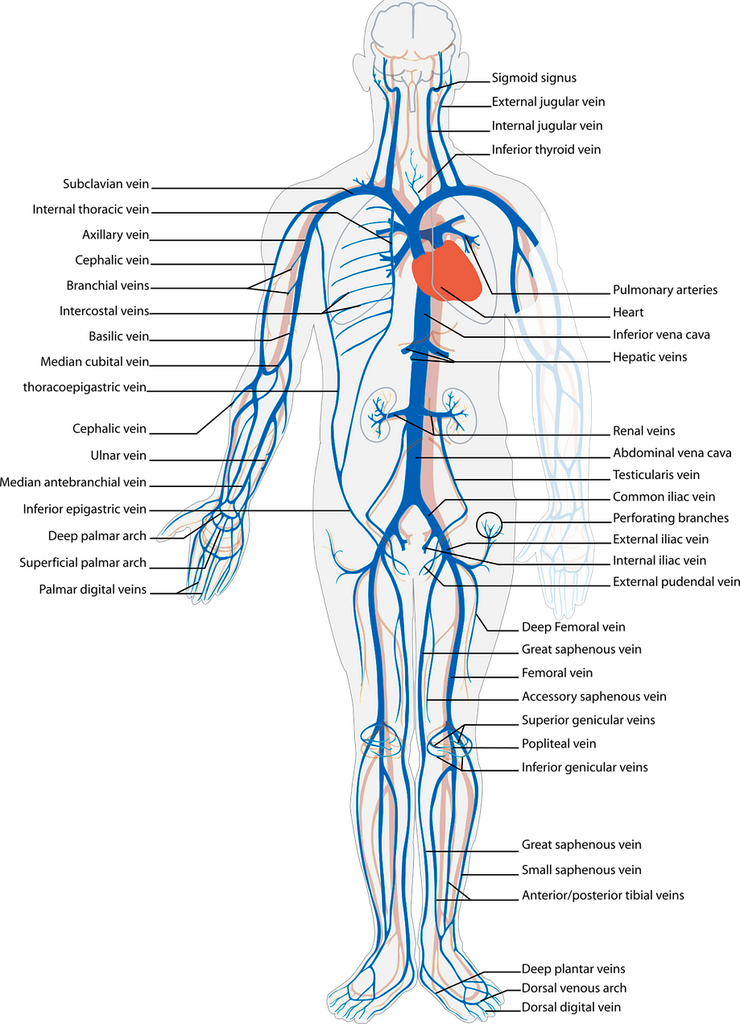
The CNS and PNS coordinate perception, motor output, and reflexes. Neurons, synapses, and neurotransmitters enable rapid communication across organ systems.
Slide 6: Endocrine System
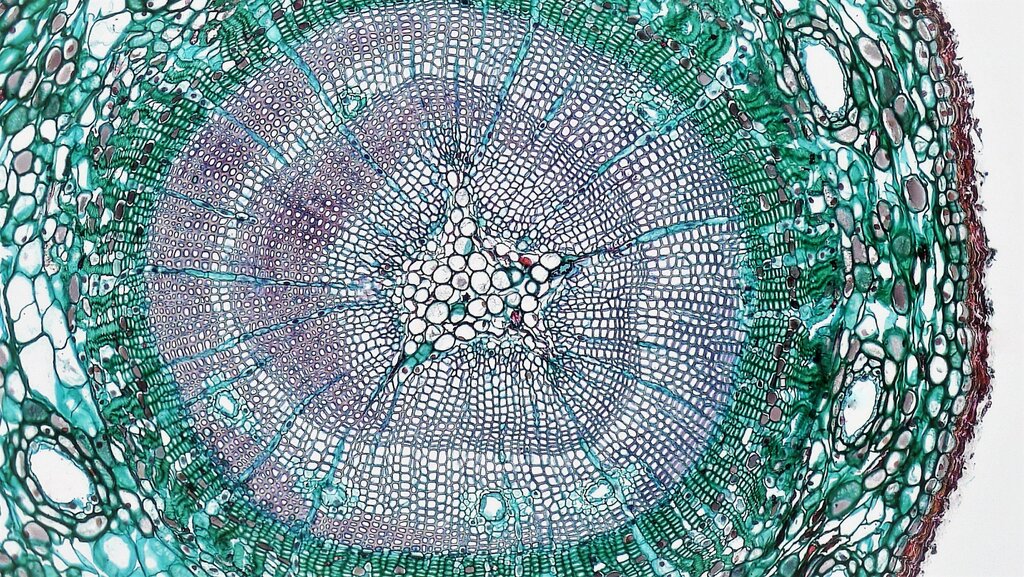
Endocrine organs secrete hormones, regulating growth, metabolism, and reproduction. Key players: hypothalamus, pituitary, thyroid, adrenal, and gonads.
Slide 7: Cardiovascular System
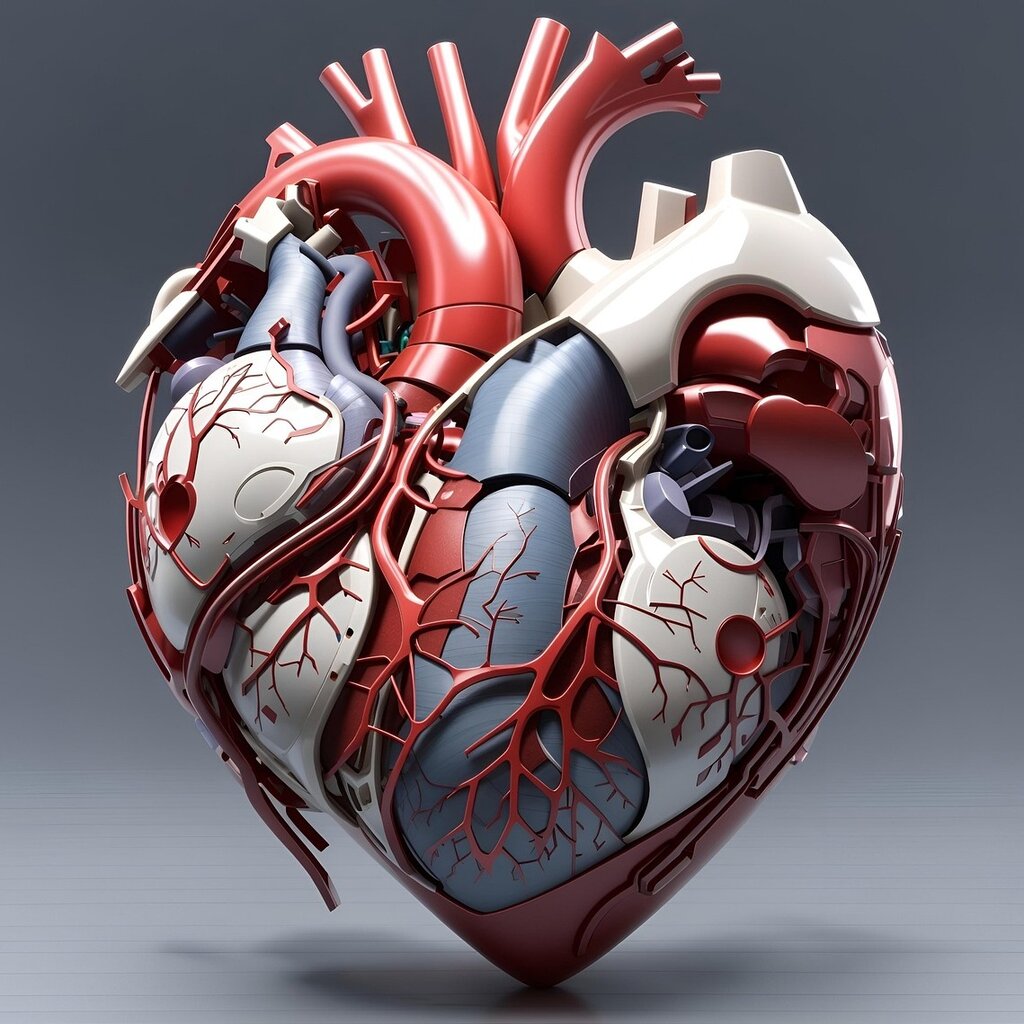
The heart and vessels maintain hemodynamics and oxygen transport. Blood composition, pressure regulation, and microcirculation underpin tissue viability.
Slide 8: Respiratory and Digestion
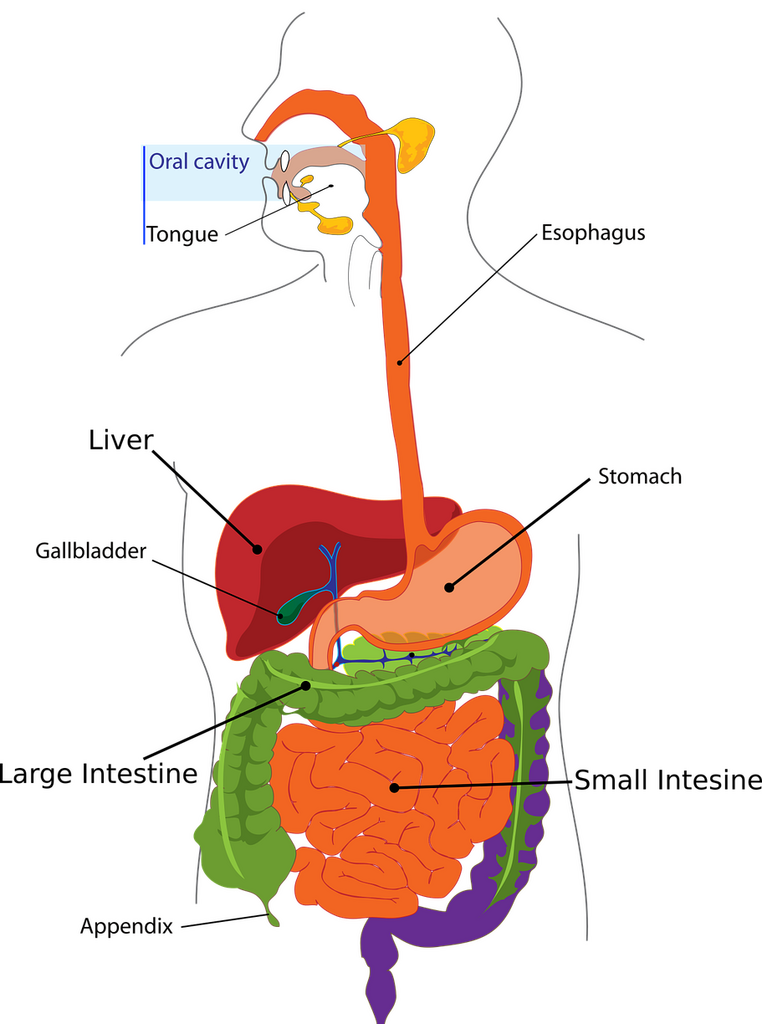
Respiration enables gas exchange; digestion breaks down nutrients and enables absorption. Enzymes, peristalsis, and surface area drive efficiency and energy supply.
Slide 9: Immune and Excretion
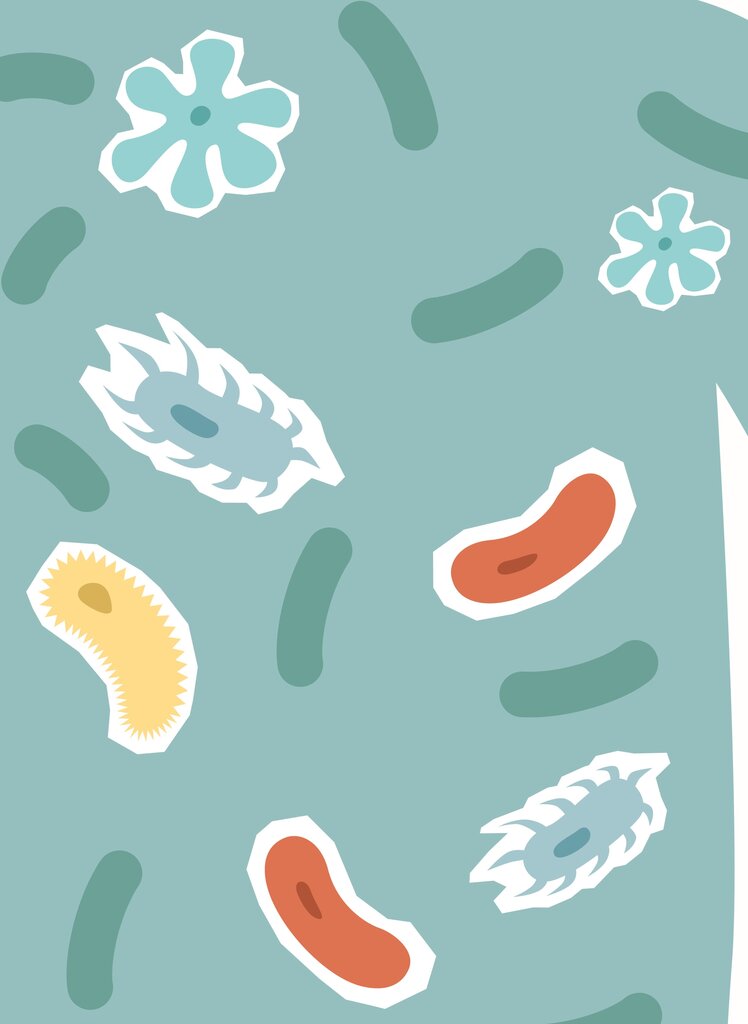
The immune system protects against pathogens using innate and adaptive responses. The kidneys and liver support homeostasis via filtration, detoxification, and metabolism.
Slide 10: Integration and Disease
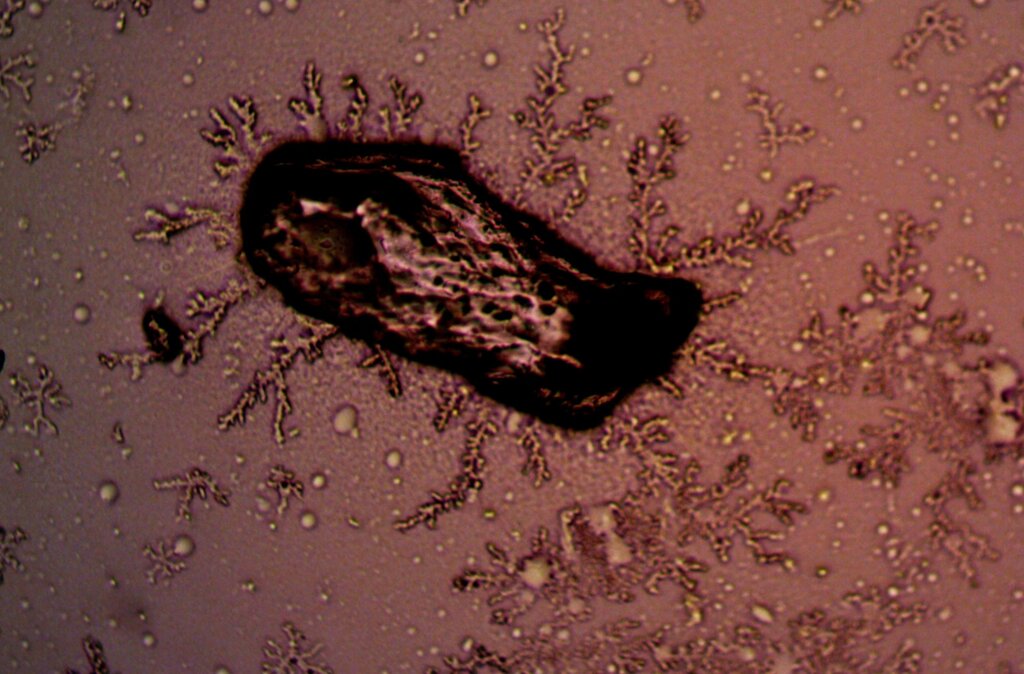
Systems are interconnected; dysfunction in one affects others. Consider common pathologies and how research questions address mechanistic, clinical, and ethical dimensions.